- Auteur: Wajahat Raja
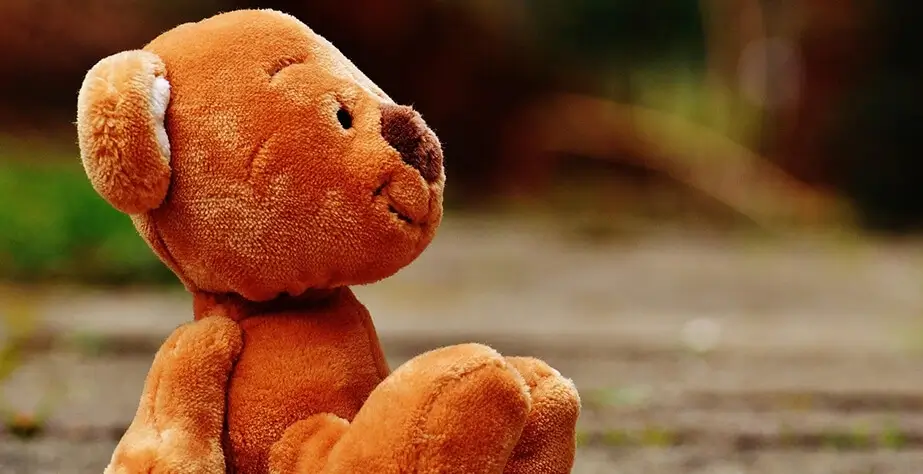
Plush toys are more than just soft shapes with button eyes. They’re comforted in a hug, joy in a gift, and nostalgia packed in fluff. From toddlers clutching their first teddy bear to adults collecting quirky characters, plush toys have a way of sticking with us through life’s stages.
They aren’t just toys; they’re memory keepers. A plush can remind you of childhood, of home, or even of someone special. That’s why people across the world, no matter their age, find themselves drawn to these soft companions.
But here’s the big question: how did it all start? Plush toys feel timeless, but their story has twists, milestones, and a few surprises along the way. From ancient rag dolls to today’s custom plush creations, plush toy history shows how a bit of fabric and fluff became a worldwide love affair.
Ready to take a cosy walk through stuffed animal history?
Plush Toy Origin
Plush toys may feel modern, but their roots go way back. In ancient times, children played with simple comfort objects made from rags, straw, or bits of fur. These early “stuffed friends” were not polished or fancy, but they gave kids something soft to hold, just like plush toys do today.
By the 19th century, the idea of making soft toys as products began to grow. Europe became a centre for these creations, with new materials and sewing methods making toys more durable and appealing. Parents started to see the value of giving children something safe, soft, and playful.
One important name in this history is Margarete Steiff from Germany. Despite living with polio, she founded a toy company that crafted some of the earliest stuffed animals. Her designs were charming, simple, and loved by children. Steiff’s legacy paved the way for plush toys as we know them.
The Teddy Bear (1902)
No plush toy history is complete without the teddy bear. The tale begins in 1902, when U.S. President Theodore Roosevelt went on a hunting trip. During the outing, he refused to shoot a captured bear cub, calling it unsportsmanlike. A political cartoon of the event soon spread across newspapers. The image of Roosevelt sparing the bear inspired shop owners Morris and Rose Michtom in New York. They stitched a soft, stuffed bear cub and displayed it in their store window with the name “Teddy’s bear.” It was an instant hit.
When were Plush Toys Invented?
Margarete Steiff was a determined seamstress from Giengen, Germany. In 1880, she started a small felt toy workshop, making stuffed animals like elephants as pincushions, which soon became beloved children’s toys. In 1893, her business was officially registered as Margarete Steiff GmbH and began showing its creations at toy fairs.
Her creative nephew, Richard Steiff, joined the company in 1897. In 1902, he designed the world’s first jointed toy bear, the “Bear 55 PB”, made with soft mohair and movable limbs. Unlike earlier plush toys, this bear stood out for its lifelike appearance, durability, and innovative design. Children could actually stretch their arms and legs, making play more interactive and imaginative. Collectors quickly recognised its uniqueness, and the toy set a new benchmark for the entire industry. The teddy bear gained fame after an American buyer ordered 3,000 of them in 1903, following its debut at the Leipzig Toy Fair.
Steiff’s innovation not only popularised a new category of plush toys but also established the Steiff brand as a symbol of quality and creativity in plush toy history.
Together, these two creations sparked what became known as the teddy bear craze. Children wanted them, collectors adored them, and manufacturers realised they had stumbled upon a phenomenon. More than just toys, teddy bears symbolised comfort, innocence, and companionship. They didn’t just change childhood play; they helped define the plush toy industry, setting the stage for the worldwide soft toy obsession we see today.
Plush Toy History Through the 20th Century
The 20th century was when plush toys truly became household staples. In the 1920s through the 1950s, factories adopted new mass production techniques. Soft toys were no longer handmade luxuries; they became affordable for families everywhere. Bears, bunnies, and simple stuffed animals filled nurseries, bringing comfort to kids of all ages.
By the 1960s and 70s, pop culture joined the plush world. Companies teamed up with entertainment giants like Disney, Sesame Street, and Hanna-Barbera. Children could now hug a Mickey Mouse, a Big Bird, or a Scooby-Doo. Plush toys transformed from generic companions into recognisable, branded icons.
The 1980s and 90s brought even bigger shifts. Plushes weren’t just toys; they became collectables. Nothing shows this better than the Beanie Babies craze of the 1990s. Tiny bean-filled plush animals were marketed as limited editions, sparking a global rush. People bought them as “investments,” with some reselling for hundreds or even thousands of dollars.
Across all these decades, plush toys weren’t just fads. They grew alongside each generation, holding memories of childhood bedrooms, birthdays, and holidays. Whether simple bears or branded characters, plushies carried nostalgia, comfort, and joy, solidifying their place in both playtime and culture.
The Psychology of Plush Toys – Why We Love Them

Plush toys are more than just cute objects. For children, they often serve as security companions and soft friends that ease fear, loneliness, or bedtime jitters. This emotional comfort makes plush toys a child’s first bond outside the family.
For adults, the love continues but shifts to nostalgia. Holding or collecting plush toys can bring back warm childhood memories. They act as anchors, connecting us to simpler, happier times.
Plushies also play a role in stress relief. Many people hug them to calm anxiety or keep them nearby during tough days. Therapists even recognise plush toys as tools for mental health support, using them in sessions to promote comfort and expression.
From children’s beds to adult work desks, plush toys remind us that soft, huggable things can carry deep meaning. They are not just playthings, but timeless sources of care and calm.
Plush Toys in Pop Culture
Plush toys have long been stars of pop culture. Some of the most popular ones include Winnie the Pooh, the honey-loving bear whose gentle charm has spanned books, films, and merchandise for nearly a century. Paddington Bear, with his red hat and marmalade sandwiches, became another beloved symbol of kindness. In more recent decades, Pikachu from Pokémon turned into a global plush phenomenon, adored by kids and adults alike.
Movies and TV shows have helped cement plush toys as cultural staples. Disney characters, Sesame Street favourites, and even Pixar’s creations all inspired plush versions that fans could hold. Owning the toy became part of living the story, blurring the line between fiction and everyday comfort.
The internet has only increased this love. Viral trends like Squishmallows, round, squishy plushies, and “ugly-cute” characters such as Labubu show how online hype can turn weird designs into billion-dollar sensations. TikTok, Instagram, and YouTube feature countless plush toy hauls, unboxings, and emotional fan stories, giving plush culture a digital stage.
Plush toys are no longer just playthings; they’re pop icons. From kids’ storybooks to internet memes, plush toys show that cuteness, comfort, and a little quirkiness never go out of style.
Modern Plush Trends
Plush toys have come a long way from simple childhood companions. Today, they’ve become a big part of the growing collectible world. Designer plushies and art toys, often released in limited editions, blur the line between playthings and artwork. Platforms like TikTok and Instagram fuel this hype, where plush “unboxings” and viral trends turn niche toys into global sensations overnight.
For some, collecting plush toys is just a fun hobby. Others like to join groups to share, trade, and show off their collections. Plush toys aren’t only for kids anymore, they’re for everyone.
Luxury brands have also joined the game. They are creating high-end plush collaborations with premium fabrics, embroidery, and sleek packaging. Whether weird or fancy, modern plush toys show one thing clearly: they’re not just soft and cute, they’re investments, art, and community icons.
Custom Plush Toys – Your Idea, Your Fluff
Plush toys have always been about comfort and joy, but today, they’ve stepped into a new era: personalisation. People no longer just want a cute teddy from the store; they want a plush that reflects their idea, their pet, their brand, or their mascot. That’s where Fabricant de peluches sur mesure comes in. Whether you want a plushie of your favourite character or any animal, we are here for you. We can turn your imagination into reality with our high-quality customised toys.
For individuals, custom plush orders make unforgettable gifts, keepsakes, or even TikTok-worthy collectables. A plush version of your dog, a personal mascot for your game character, or a special toy for a loved one. Each small order is unique, meaningful, and designed to last.
But the real game-changer lies in mass customisation. If you’re a company, brand, or event organiser, ordering in bulk means lower unit costs, reduced logistics expenses, and streamlined assembly-line efficiency. You can also request special fabrics, embroidery, and unique crafts for your mass custom orders. To enhance your brand further, we can offer custom hang tags, branded gift boxes and even barcodes, making your plush both a marketing tool and a collector’s item.
At CustomPlushMaker, we don’t just make toys; we create stories you can hold. Whether it’s one plush or one thousand, now’s the time to bring your idea to life.
Ready to design your plush? Contact Fabricant de peluches sur mesure today and let’s create your fluff!
The Future Of Plush Toys
Plush toys’ evolution doesn’t stop with teddy bears and collectibles, it’s growing into something much bigger. The future blends tradition with innovation, where classic comfort meets modern creativity. Plush toys are no longer just cuddly friends; they’re becoming a mix of play, art, technology, and branding.
One exciting change is the use of AI in plush design. Some companies have tried creating AI-inspired plush concepts, introducing fresh and imaginative designs that go beyond what humans might think of. At the same time, smart plush toys with interactive features are appearing, bringing a new way for kids (and even adults) to play and connect.
Sustainability is also reshaping the plush world. Consumers today care about where their toys come from. This leads to a rise in eco-friendly fabrics, recycled stuffing, and ethical sourcing practices. Plush toys of the future will not only feel good in your arms but also in your conscience.
Plush toys are also moving into art and business. From designer collaborations to brand mascots, they’ve become collectibles, status symbols, and even tools for marketing. This mix of comfort, creativity, and customisation is what keeps plush toys more popular than ever
In the end, the future of plush is all about connection, whether through eco-friendly materials, smart designs, or personalised branding. Plush toys may keep changing with time, but their charm and comforting feel will always stay timeless.
Conclusion – From Past to Present, Plush Toys Stay Timeless
From humble rag dolls stitched together with scraps to today’s high-end designer plush collectables, the journey of plush toys tells a story of comfort, nostalgia, and creativity. For over a century, these soft companions have adapted to every era. Whether as childhood friends, pop culture icons, or art-inspired collectables, their purpose remains the same: to bring joy, warmth, and a sense of belonging.
In a world that constantly changes, plush toys stand as timeless symbols of love and imagination. They’re not just toys; they’re keepsakes, emotional anchors, and even brand statements.
Want your piece of plush history? Create your custom plush today, personal, unique, and timeless. Because no matter how the future evolves, there will always be room for one more plush to hug, cherish, and remember.
FAQ
Q1: What are the new trends in modern plush toys?
Current trends are quite diverse:
- Premium & Artistic: Designers and brands are launching limited edition, artistically valuable plush toys.
- Personalized Customization: People can customize uniquely designed plush toys. (CustomPlushMaker is an excellent option for this)
- Technology Integration: Emergence of “smart plush” with built-in interactive technology.
- Sustainable Development: More brands are using eco-friendly, recyclable materials to make toys.
Q2: What is the general process if I want to customize my own plush toy?
Typically, the customization process includes the following steps:
- Provide Your Concept: You can supply sketches, photos, descriptions, or anything that expresses your idea.
- Design & Quotation: CustomPlushMaker will create design drawings based on your concept and provide a quote.
- Confirmation & Sampling: After you approve the design, CustomPlushMaker will produce a sample for your review to ensure appearance, texture, and quality meet expectations.
- Mass Production: Once the sample is confirmed, it proceeds to mass production. CustomPlushMaker can handle everything from single custom pieces to large bulk orders.
Q3: What are the benefits of custom plush toys for businesses or brands?
For businesses, custom plush toys are a powerful marketing and brand-building tool. They can serve as:
- Company mascots or brand ambassadors to enhance brand recognition and affinity.
- Event gifts or promotional items that leave a lasting impression on customers.
- Collaboration products, partnering with other IPs to explore new markets.
Through bulk customization, brands can also control costs and add custom elements like tags and packaging to enhance overall value.
Q4: What will future plush toys look like?
Future plush toys will increasingly incorporate AI elements, creating more intelligent plush toys. Eco-friendly materials and sustainable production processes will become more mainstream trends. Plush toys will no longer be exclusive to children – there will be more plush toy artworks carrying additional emotional and creative value.