Przejdź do treści

When we think of plush toys, we see soft, cute friends made to hug, hold, and love. These toys bring joy to kids and grown-ups too. They feel safe, warm, and full of heart. But the truth is, a plush toy is more than just fluff and stitch. A lot of work goes in before it lands in a store or a child’s arms.
Behind each toy is a long path, from a small sketch to a full-sized friend. It takes smart minds, good hands, and a sharp eye for small things. Each step must be done with care. The cloth, the shape, the fill, and the rules all play a part in how the toy turns out. One weak link can spoil the whole batch.
If you want to make great plush toys, there are key things that must be done right. In this blog, we’ll talk about ten factors that help make sure your custom plush toy manufacturing is top-notch. We’ll keep the tone real, the words short, and the points clear, so you can build toys that kids will hug for years to come.
1. A Smart Start: The Custom Stuffed Toy Design Process
Each plush toy starts with a plan. This is where the custom stuffed toy design process comes in. You start with a thought, a sketch, or a dream. From there, it grows into shapes, colors, and parts. Will it be a bear? A cat? A frog with a hat? The key is to make the art clear and the plan strong. You want the look to pop and the shape to work. This step sets the base for all that comes next.
But the look is just one part. The design must think of size, stitch, and feel too. Will the toy stand on its own? Can a child hold it with ease? Will it last through play and sleep? If the start is weak, the rest will fall short. That’s why top toy brands spend time and care in this first step. They know a smart start leads to a strong, safe, and sweet plush toy.
2. Soft Toy Material Selection: Feel Meets Form
How a plush toy feels is what folks love most. That comes down to the soft toy material selection. The cloth you pick must feel right, smooth, warm, and safe to hug. Some brands pick minky fleece for a silky feel. Others go for velboa, which is short but still soft. Plush fabric gives a rich, thick feel that works well for toys that need a luxe look.
But cloth isn’t the whole tale. What you put inside the toy is just as key. If the fill is too light, the toy feels limp. Too thick, and it turns stiff. High-grade fiber fill keeps the plush toy round and soft. It’s what gives the toy that “squish” that kids love. Great plush toys start with great cloth and the right fill to match.
3. Clear Specs for Each Toy
A plush toy is made by hand, but it still needs a clear plan. That’s why specs are key. The size, shape, cloth, tag spot, stitch type, and all must be shown in a file called a tech pack. This helps the plant team know what the toy should look and feel like. It cuts down on mix-ups and saves time when you scale up.
Without specs, folks guess, and that leads to flaws. One team might sew the eyes too low. Another might use the wrong thread. But with a full guide, from nose to toe, all teams can work as one. Clear specs are the glue that holds the whole plush toy build in place. They make sure the toy comes out just right, time and time again.
4. Strong Quality Control in Plush Toy Production
Once the toy is made, how do you know it’s good? That’s where quality control in plush toy production steps in. QC means checking the toy at each stage. From the cloth roll to the last stitch, the toy goes through hands that look for flaws, gaps, or weak spots. If the seam is loose or the dye is wrong, they catch it fast.
QC is not just one step. It’s a set of checks. Clothes are tested. Threads are pulled. Tags are scanned. Toys are weighed and sized. A top QC team will have lists, logs, and proof. This helps brands trust the plant, and helps kids get toys that work and last. Good QC saves cash, cuts stress, and builds joy.
5. Plush Toy Safety Standards
Plush toys are made for kids. That means they must be safe. This is where plush toy safety standards come in. These rules say what a toy can and can’t have. For the U.S., it’s ASTM F963. For the EU, it’s EN71. These rules check for sharp points, loose parts, and bad stuff like lead in the dye.
To meet the rules, the toy must pass tests. Eyes must not fall off. Tags must stay on. Clothes should not tear with a light pull. The fill must not leak out. Brands that care will make toys that pass these tests with ease. They know that trust is built on care, and care starts with safety.
6. Good Work in Making Plush Toys Overseas
A lot of plush toys are made far from home. Manufacturing plush toys overseas can help save costs, but it comes with things to watch. Time zones, work norms, and rules can change. That’s why a strong link with the plant is a must. You need to work as one team, even if you’re far apart.
The best brands pick plants with long track records. They check the workspace, tools, and staff. They ask for pics and live chats. They hire agents who speak the local tongue. A clear deal, a good plan, and fair work rules help make sure your toy is built right, no matter where it’s made.
7. Tests, Tests, and More Tests
A plush toy must do more than look cute. It must work. That’s why tests are key. Brands do a drop test: Can the toy fall and not break? A rub test: Will the dye stay in place? A wash test: Will it hold shape and color in the wash? These tests help find weak spots and fix them fast.
Some tests are done by hand. Others go to big labs like SGS or Intertek. These labs check for heat, mold, sharp points, and more. The goal is to find risk before the toy hits the shelves. With tests, you don’t guess, you know. And that builds plush toys that kids can hug with no fear.
8. Small Batches First
Before you make 10,000 toys, try a small batch. This is called a test run or pilot batch. It lets you see how the toy looks and feels in real life. You can check the cloth, the shape, and the fill. You can see if kids like it. You can hear what folks say and make tweaks if you must.
This step may seem slow, but it saves time in the long run. It stops big flaws from hitting the full batch. It lets you fix things that don’t show up in a sketch. Some brands test 50 toys, some 100. But all use this step to learn, fix, and fine-tune the toy. A small run leads to a strong launch.
9. Strong Back-and-Forth With the Maker
Great toys come from great teams. That means a strong link with the maker. You can’t just send a file and wait. You must talk, share, ask, and guide. If the plant has a doubt, you want them to ask. If they find a better way, you want to know. It’s all part of the plush toy game.
Calls, pics, and sample checks all help keep things on track. When you stay in touch with the team, the plush toy starts to feel like your own. You spot flaws early, fix small issues before they turn big, and make sure the look and feel match your dream. Most of all, you build real trust with the people who hold your plush vision in their hands, and that trust leads to better toys, made with care.
10. Final Count, Pack, and Ship Done Right
The process is not completed until the toys are packed and shipped. This step is more than just boxes. Each toy must be checked one last time. Is the size right? Is the tag clear? Is it clean and neat? Then comes the packaging, the bags, boxes, labels, and wrapping should all be done right.
If toys are crushed in transit, the whole work goes in vain. That’s why top brands ask for pack pics, seal tests, and strong boxes. They want toys to reach shops in top form. When this last step is done with care, it shows. The toy looks great, feels right, and brings a smile the first time it’s held.
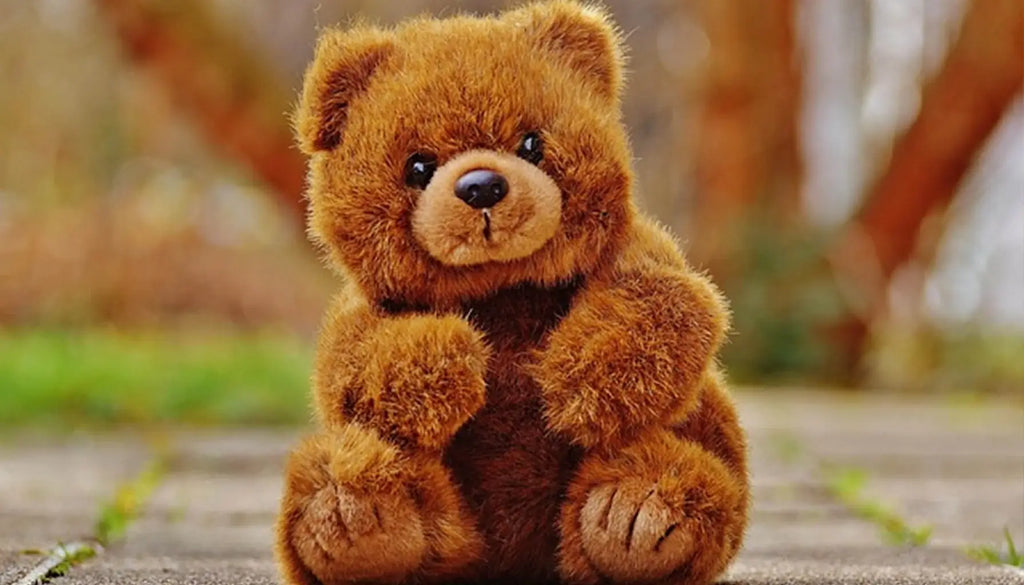
Why Do All These Factors Matter?
Not all plush toys are made the same. What seems like a soft and simple toy is, in truth, the result of sharp thought and real skill. Each plushie starts as an idea, just lines on a page, but it must grow into something kids will laugh with, sleep with, and keep for years. That path takes time, care, and craft. It’s not just how cute it looks on the shelf. It’s how it feels in the hands. How strong the seams are. How safe is it to love? A plush toy has to hold up through play, spills, tears, and time, and still feel like home.
Plush toys need to be made with care. From smart design to safe fill, from good cloth to strong checks at each stage, these are the things that turn a toy from “just okay” to one that makes a child smile and a parent feel safe. The right steps make sure the toy lasts long, looks great, and brings joy with each hug.
That’s why these ten factors are not just nice to have, they are a must. They help you build trust with your buyers and love with your brand. A well-made plush toy speaks for itself. And the best part? CustomPlushMaker gets it. They follow all these rules, down to the last thread. So when you work with them, you get more than just a plush—you get peace of mind, top-grade work, and toys that win hearts from day one.
Tips for Brands That Want to Build Great Plush Toys
Here are some quick tips to end with:
● Visit your plant if you can. If not, ask for live video calls.
● Ask for real test proof, not just claims.
● Don’t cut costs at the start. Spend more on design and clothes.
● Pick a soft cloth that’s nice to touch and safe to hug.
● Tag your toys with care tips. That helps folks keep them clean and safe.
● Try new things—but test, test, test first.
Słowa końcowe
To build plush toys that shine, each step must work. From the first sketch to the last box, the toy must pass tests, meet rules, and feel good in the hand. When you do custom plush toy manufacturing with care, you build more than toys, you build joy.
With smart design, strong specs, safe cloth, and clean work, you can make toys that kids love. By using the right custom stuffed toy design process, watching quality control in plush toy production, and working well when manufacturing plush toys overseas, you set your brand apart. Keep these factors in mind, and your plush toys will not just sell, they’ll be hugged for years to come.
Have a plush toy idea you want to bring to life? Skontaktuj się z nami już dziś, we’re here to help you make soft, safe, and high-quality plushies that stand out.
FAQ
Q: How can we trust that CustomPlushMaker strictly adheres to international safety standards in production?
Our credibility is built on transparency and certifications:
- Certification Credentials: Our factory maintains ISO9001 Quality Management System certification and undergoes regular BSCI Social Responsibility audits.
- Third-Party Verification: We encourage and assist clients in sending pre-production samples to authoritative third-party testing institutions such as SGS or Intertek for inspection, providing complete compliance test reports.
- Material Traceability: All major fabrics and accessories come with test certificates demonstrating compliance with regulations including EU REACH and US CPSIA standards.