Licensed characters already have value. People know them. Fans recognize them. Customers connect with them. People can hold it. Gift it. Display it. Collect it. Carry it to events. Keep it as a memory. That is why custom plush toys for licensed characters are so powerful.
They do more than copy a character. They turn intellectual property into a physical product. They help brands create stronger fan connections. They also open new sales channels for retail, e-commerce, events, bookstores, creator shops, and promotional campaigns.
For IP owners, publishers, creators, and brand teams, plush is one of the most emotional product categories. A well-made plush toy can make a character feel warmer, closer, and more personal.
But licensed plush toys need careful planning. Design accuracy matters. Safety matters. Quality matters. Packaging matters. The final plush must protect the character’s identity and meet the needs of the market.
That is where working with an experienced Custom Plush Manufacturer becomes important.
CustomPlushMaker is the business that helps companies convert artwork, mascots, book characters, anime-style drawings, corporate characters and logos into customized stuffed animals and soft plush dolls. The website also lists a 100 minimum purchase quantity, which may allow businesses assess demand before expanding into greater manufacturing.
Why Licensed Characters Work So Well as Custom Plush Toys
A strong character already has a story. It may have a name. A personality. A visual style. A fan base. A world around it. Plush gives that character a new form. It makes the IP soft, giftable, and easy to remember.
This is why licensed character plush works well for many business goals. It can support product launches, fan merchandise, retail programs, book releases, convention sales, subscription boxes, and branded campaigns.
A poster can show a character. A video can animate a character. A plush toy lets someone keep the character close. That physical connection creates emotional value. It is one reason custom character plush toys are popular with both children and adult collectors.
Plush also works across many channels. A publisher may use it for a book launch. A game studio may sell it as fan merchandise. A creator may release it as a limited-edition drop. A company may use a brand mascot plush as a gift for customers or employees.
For brands, this flexibility is useful. One design can support retail, events, social media, and long-term fan engagement.
Who Needs Custom Plush Toys for Licensed Characters?
Custom plush toys for licensed characters are not only for large entertainment studios. Many different buyers can use them. These include:
- children’s book authors
- publishers
- animation studios
- gaming companies
- comic brands
- anime-inspired creators
- YouTubers and digital creators
- toy brands
- corporate mascot owners
- museums and attractions
- retail merchandise buyers
- promotional product companies
- licensing managers
- brand directors
- fan merchandise teams
A small author may want a plush version of a book character. A publisher may need a product for a new series launch. A game studio may want a collectible plush for its fans. A corporate brand may want a mascot plush for events and customer gifts.
CustomPlushMaker already supports this type of work through its book character plush service. One customer story on the site describes an author who ordered 100 pieces first, then planned a larger follow-up order after seeing the sample and product potential.
This shows how useful a low starting MOQ can be. It lets IP owners test the market. Then they can scale when the product performs well.
What Changes in the Design Process
A licensed character often begins as a flat design. It may be a drawing. A logo. A book illustration. A game asset. A 3D render. A style guide image. But plush is different. Fabric has shape. Stuffing creates volume. Embroidery changes expression. Small details may need adjustment.
This is why IP plush toy manufacturing requires more than copying artwork.
A good character plush manufacturer knows how to translate a 2D design into a soft 3D product. The goal is simple. The plush must still feel like the original character.
Character Accuracy Matters
For licensed plush toys, accuracy is not optional. Fans notice small details. Brand teams notice them too.
The eyes must feel right. The mouth must match the character’s expression. The shape should be recognizable. The color should be close to the approved brand guide.
If the plush looks almost right, it may still fail. Licensed characters depend on recognition.
This is why the sample stage is so important. Buyers should not rush it. A sample gives the brand team a chance to review the shape, fabric, embroidery, colors, accessories, and overall personality.
Some Details Need Soft-Toy Adaptation
Not every artwork detail can move directly into fabric.
Tiny lines may not sew well. Sharp edges may need soft curves. Very thin accessories may need support. Small printed parts may need embroidery or applique instead.
This does not mean the design is lost. It means the manufacturer must adapt it wisely.
A strong Custom Plush Manufacturer will explain which details can be embroidered, printed, sewn, attached, or simplified. The final plush should still protect the identity of the character.
Fabric Changes the Personality
Fabric choice affects the whole feeling of the plush.
Short pile fabric may create a clean look. Long pile fabric may feel warmer and softer. Printed fabric can help with special patterns. Felt, fleece, velboa, and minky can each create a different result.
For custom stuffed animals for brands, fabric should match the purpose. A retail collectible may need a premium feel. A children’s plush may need extra softness. A promotional mascot may need strong logo visibility.
The right fabric makes the character feel more alive.
Why Licensing Approval Workflows Matter
Licensed character plush often involves more than one decision-maker. There may be an IP owner. A licensing manager. A publisher. A brand team. A retail buyer. A legal team. A marketing team. Each group may care about different details. This is why the approval workflow must be clear.
For licensed character plush, sampling is not just a production step. It is part of brand protection. The sample confirms whether the character has been represented correctly.
Before bulk production, buyers should confirm:
- final artwork
- licensed usage rights
- character size
- body shape
- color references
- embroidery details
- logo placement
- fabric selection
- accessories
- hang tag design
- packaging copy
- safety requirements
- final sample approval
Once the sample is approved, it should become the production standard. This helps prevent confusion during bulk production.
A clear approval process also protects both sides. The buyer knows what will be made. The factory knows what has been approved.
IP Protection and Confidentiality
Licensed characters are valuable assets.
They may represent years of creative work. They may also carry legal rights, brand value, and audience trust.
This is why IP protection matters in custom plush production.
Before production begins, buyers should confirm that they own or have permission to use the character, name, logo, and artwork. This is especially important for fan-inspired designs, anime-style characters, game characters, and entertainment IP.
A responsible OEM plush toy manufacturer should not encourage buyers to produce protected characters without permission. The buyer should have clear rights or licensing approval.
Confidentiality is also important. Artwork, design files, samples, and prototypes should be handled carefully. For unreleased characters or new product launches, early leaks can harm the brand.
For IP plush toy manufacturing, trust matters as much as price.
Safety and Compliance for Licensed Character Plush
Licensed character plush may be sold to children, collectors, fans, or general consumers. Some plush toys may be used in retail stores, bookstores, events, schools, or online shops.
This means safety and compliance must be considered early.
Different markets may have different rules. The right testing needs depend on the target country, age group, materials, small parts, stuffing, labels, and packaging.
CustomPlushMaker’s website highlights toy safety and mentions standards such as ASTM, CPSIA, EN71, and ISO8124 in relation to plush production and compliance support.
For buyers, this matters. A plush toy may look simple, but it still needs the right construction.
Important safety points include:
- safe materials
- secure stitching
- strong seams
- proper stuffing
- safe accessories
- age grading
- care labels
- tracking labels where needed
- market-specific packaging information
Safety protects the customer. It also protects the brand behind the character.
Retail Ready Plush Needs More Than a Good Toy
A plush toy may be well made, but still not ready for retail.
Retail-ready plush merchandise needs presentation. It needs labels. It needs packaging. It needs a clear product story. For licensed characters, packaging is part of the brand experience.
A book character plush may need a story-based hang tag. A game character plush may need collectible packaging. A creator plush may need a limited-edition card. A corporate mascot plush may need branded gift packaging.
Good packaging can improve perceived value. It can also help retailers display the product better. Retail-ready details may include:
- hang tags
- woven labels
- care labels
- barcode labels
- display boxes
- belly bands
- branded polybags
- gift packaging
- character story cards
- safety information
- product series names
This is useful for bookstores, toy shops, online stores, fan events, company stores, and convention booths.
A licensed plush product should feel complete from the moment the customer sees it.
MOQ, Sampling and Bulk Production Planning
Many buyers want to start carefully. That is smart. A new licensed character plush may need market testing before a large order. A creator may want to test fan demand. A publisher may want a small launch quantity. A brand may need samples for internal review.
CustomPlushMaker states a 100 minimum order quantity on its website. This can help buyers start with a manageable order before moving into larger custom plush toys wholesale production.
A 100-unit MOQ can be useful for:
- book launches
- creator drops
- convention sales
- early retail testing
- product samples
- promotional campaigns
- brand mascot trials
- fan community releases
After the first order, the buyer can review sales, feedback, photos, and customer interest. If the product works well, bulk production becomes easier.
For custom plush toys wholesale orders, the approved sample should guide mass production. This helps keep the character consistent across the full batch. Repeat orders are also easier when the pattern, fabric, colors, and embroidery details are recorded.
Common Mistakes to Avoid
Licensed character plush projects can go wrong when planning is weak. Here are common mistakes to avoid.
Starting Without IP Permission
Do not begin production without the right to use the character. This can create legal problems and damage trust.
Using Low-Quality Artwork
A blurry image is not enough. The factory needs clear artwork, color references, and character details.
Ignoring Character Proportions
Some characters have special head shapes, eyes, ears, limbs, or clothing. These details affect recognition.
Choosing Fabric Only by Price
Low-cost fabric may not match the character’s feel. It may also lower perceived value.
Skipping Sample Revisions
The first sample may need changes. That is normal. Revisions help protect the final product.
Forgetting Packaging
Retail-ready plush merchandise needs labels, tags, and packaging. These details should be planned early.
Waiting Too Long to Discuss Safety
Safety should be part of the design stage. Do not wait until the product is ready to ship.
Underestimating Shipping Volume
Plush can take space. Size and stuffing affect freight cost. A good factory can suggest size changes to reduce shipping waste.
Approving Too Quickly
A licensed character plush should be reviewed carefully. Once bulk production starts, changes become harder.
Choosing the Wrong Factory
Not every factory understands custom character work. Buyers should choose a manufacturer with experience in custom shapes, samples, and bulk consistency.
Why Choose a Factory Direct Custom Plush Manufacturer?
Factory direct production can make the process smoother. There are fewer middle steps. Communication is clearer. Design changes move faster. Costs are easier to understand. Sample feedback is easier to manage.
This matters for licensed character plush because small details can change the whole product.
If the eyes are wrong, the character may feel wrong. If the fabric color is off, the brand may reject it. If the shape is weak, fans may not connect with it. A factory direct Custom Plush Manufacturer can help buyers manage these details from the beginning. Factory direct production is also useful for custom plush toys wholesale programs. Once the first sample is approved, buyers can plan larger orders, future restocks, and new character versions with more confidence.
For brands, this means better control. For distributors, it means fewer delays. For creators, it means a clearer path from idea to product. For IP owners, it means better protection of the character’s look and feel.
How CustomPlushMaker Supports Licensed Character Plush Projects
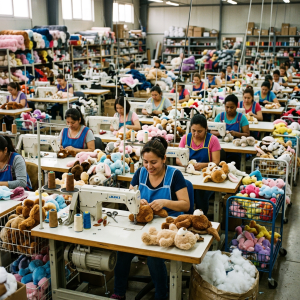
CustomPlushMaker works with businesses that need custom stuffed animals, plush dolls, mascots, book characters, brand plush, and promotional plush products. The site positions the company as a professional manufacturer for custom plush projects and states a 100 MOQ.
For licensed character plush, this support can include:
- concept review
- design support
- sample development
- material selection
- embroidery planning
- logo or label placement
- OEM and ODM production
- bulk manufacturing
- quality control
- safety guidance
- global shipping
- packaging support
This is useful for brands that need both creativity and production control.
A licensed character plush must look good. It must also be practical to make. It must meet safety needs. It must arrive ready for the buyer’s sales channel.
CustomPlushMaker’s book character page also shows how a smaller first order can lead to long-term cooperation when the sample and product quality meet expectations.
That is the right model for many licensed character projects. Start with the right design. Approve the sample. Test the market. Then scale with confidence.
FAQs
What are custom plush toys for licensed characters?
Custom plush toys for licensed characters are plush toys made from approved IP. This may include book characters, game characters, cartoon characters, anime-style characters, brand mascots, or creator-owned designs.
Do I need permission to make a licensed character plush?
Yes. You should own the character or have written permission, licensing rights, or brand approval before making licensed plush toys.
Can a 2D character become a plush toy?
Yes. A Custom Plush Manufacturer can turn 2D artwork into a 3D plush toy. Some details may need adjustment for fabric, stitching, embroidery, stuffing, and production.
What is the MOQ for custom licensed character plush?
CustomPlushMaker states a 100 minimum order quantity on its website. This can help buyers test demand before placing larger custom plush toys wholesale orders.
What information should I prepare before starting?
Prepare character artwork, size, quantity, color references, fabric preferences, packaging needs, target market, safety needs, and proof of usage rights where needed.
Are licensed character plush toys suitable for retail?
Yes. Licensed character plush toys can be made for retail when they have the right design, quality, tags, packaging, labels, and safety planning.
Can plush be made for book characters?
Yes. Book character plush is a strong use case. Authors and publishers can use plush for launches, reader engagement, online sales, events, and gift programs.
Why is sampling important?
Sampling lets the buyer review the character’s shape, colors, expression, fabric, embroidery, and details before bulk production. It helps prevent costly mistakes.
What makes a licensed character plush successful?
A successful licensed character plush is recognizable, well made, safe, durable, and aligned with the character’s story. It should also be packaged for the right sales channel.
Why work with an OEM plush toy manufacturer?
An OEM plush toy manufacturer can help turn approved character artwork into a custom plush product. This includes sample development, production planning, quality control, and bulk manufacturing.
Висновок
Licensed characters already carry meaning. They have stories, fans, and commercial value. A well-made plush toy can extend that value into the physical world. But success does not come from fabric alone.
To make a good approved character toy, you need clear decisions, accurate design, safe materials, careful sampling, retail-ready packing, quality control and production that you can count on. These little things protect the business and the person behind it.
You can choose CustomPlushMaker to make high-quality plush toys from approved figures, book characters, mascots, brand intellectual property and your own artwork. Companies can easily turn their ideas into finished plush toys with a minimum order quantity of 100 units, trial support, OEM/ODM production and factory direct manufacturing.
Ready to turn your licensed character into a custom plush toy? Send CustomPlushMaker your artwork, ask for a price, and then start making plush items that are ready to sell that people will remember.