首页 " Custom Plush Toy Safety Testing: A Guide for 100-Piece Orders
Safety & Compliance
Custom Plush Toy Safety Testing: A Guide for 100-Piece Orders
From mechanical safety and chemical testing to age grading and certification—learn how we coordinate third-party safety testing for your custom plush toys, even for orders starting at 100 pieces.
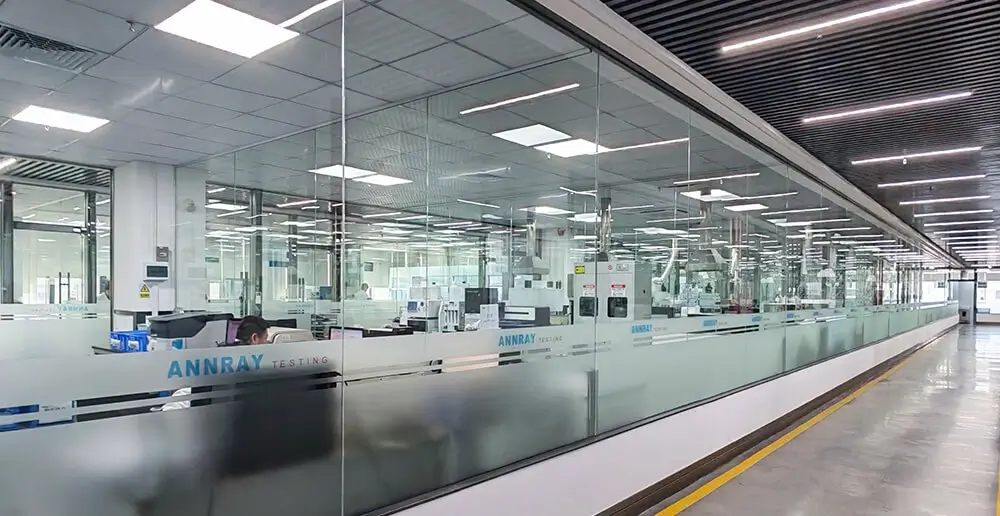
Work with accredited laboratories for reliable and recognized results.
Market-Specific Testing
Support safety requirements for the US, EU, UK, Canada, Australia and more.
Why Safety Testing Matters — Even for 100 Pieces
A smaller order does not mean fewer safety requirements. The actual risk depends on the materials, construction and functions of your plush toy.
Attachment Safety
Are eyes, noses or buttons firmly attached?
Seam & Filling Safety
Will seams stay intact and keep the filling inside?
Flammability Safety
Does the fabric meet the applicable flammability requirements?
Chemical Safety
Do materials comply with restrictions on certain chemicals?
For the U.S. market, plush toys intended for children 12 and under typically involve third-party testing and a Children’s Product Certificate (CPC). Whether a product is a children’s toy depends on its actual characteristics and intended use.
What We Test
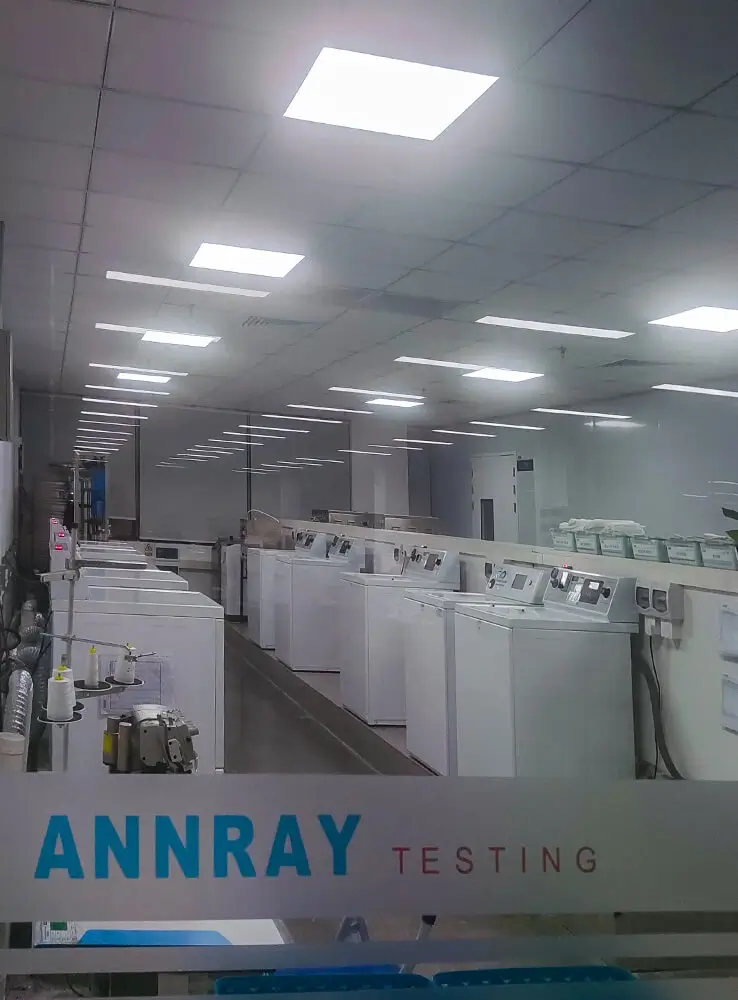
Key safety testing areas for custom plush toys.
Mechanical & Physical
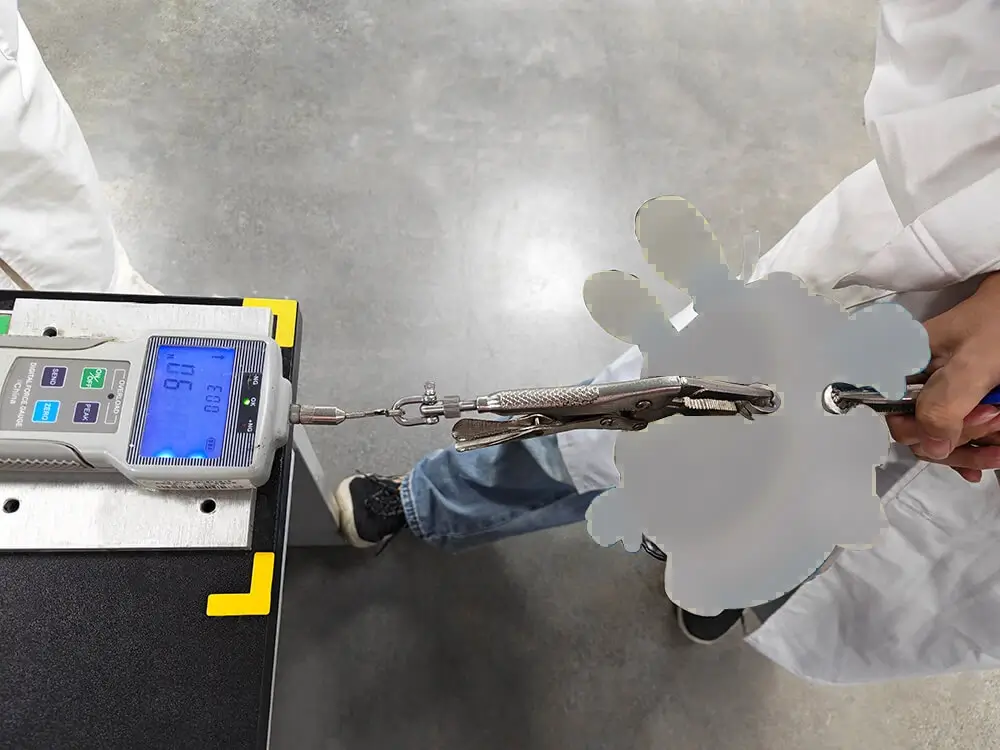
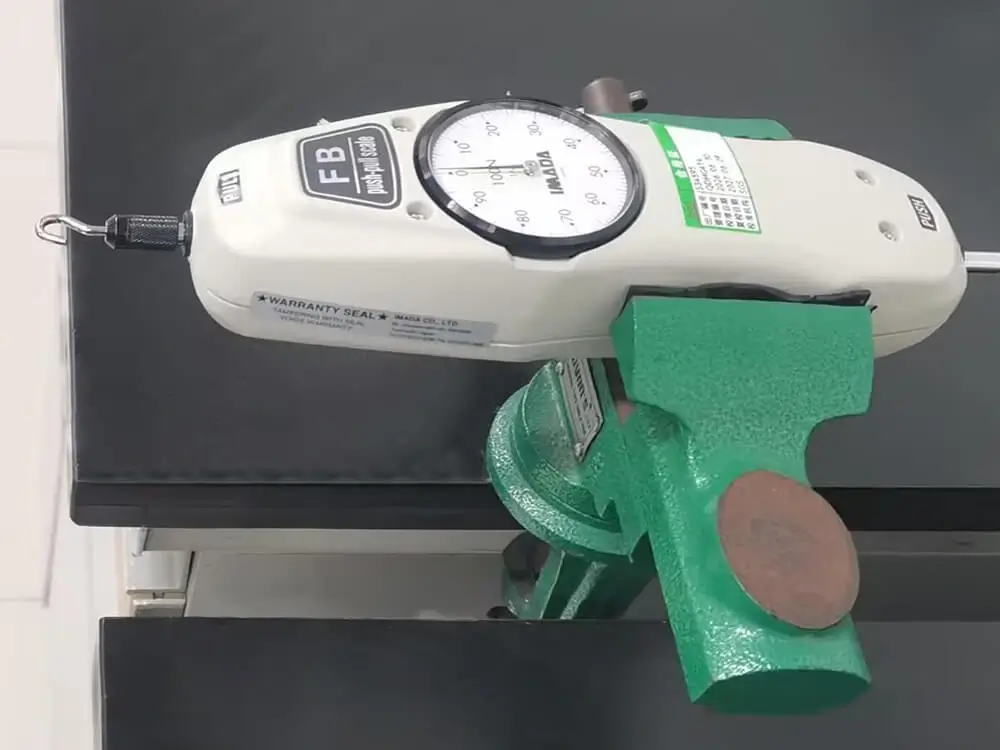
Small parts, seams, pull and torque, sharp edges and stuffing.
易燃性
Applicable flammability methods for the destination market.
Chemical Safety
Applicable restrictions on lead, phthalates and certain elements.
Electronic Modules
Battery, sound, light, movement and interactive features.
Age Assessment
Intended age, product characteristics and appropriate warnings.
Labeling Review
Relevant labels and documentation requirements.
Technical Example (EN 71-1) Example test forces for attachments: tension 50 N or 90 N (depending on component size and application); torque 0.34 N·m. These are example values from EN 71-1 and are not universal requirements for all toys or markets.
The plush toys have been blurred to comply with a non-disclosure agreement (NDA).
Toy Safety Standards for Different Markets
Common toy safety standards and requirements for major sales markets.
Market
Common Standards
United States
ASTM F963 & applicable CPSIA requirements Mechanical and physical safety, flammability, and applicable lead, phthalate and other requirements.
European Union
Applicable EN 71 testing, chemical restrictions, labeling and conformity documentation depend on the product and intended age.
United Kingdom
Applicable toy safety testing, labeling and conformity requirements should be confirmed for the destination market.
Canada
Applicable Canadian toy safety requirements, including mechanical, flammability, chemical and labeling requirements.
Australia & New Zealand
Applicable AS/NZS ISO 8124 requirements and destination-specific rules depend on the toy, age group and features.
If you plan to sell the same product in multiple countries, please let us know the target markets during the quotation stage so we can coordinate the testing scope and required documents.
Does a “3+” Label Determine Testing Requirements?
A product’s labeled age does not automatically determine the laboratory’s testing age range.
A “3+” label does not automatically exclude requirements for younger children.
The age grading process typically considers:
Client-Requested Age
Labeled Age
Laboratory Age Assessment
Applied Testing Age Range
Order 100 Pieces. Receive 100 Finished Pieces.
100
Customer Order
+
Additional Test Units
Required for laboratory testing
=
100
Finished Pieces Delivered
Test samples are taken from the same production batch.
The laboratory determines the specific test quantity.
Testing may involve destructive operations.
You order 100 pieces, and you still receive 100 finished pieces.
The production cost of units required for laboratory testing is included in the separate testing quote.
How to Read a Plush Toy Test Report
Product name, model & photographs
Standards and editions
Age assessment & test range
Materials, colors & components
Individual test results
Report date & remarks
Test Reports vs. Product Certification
A laboratory test report does not automatically mean that all certifications, declarations, labels or import documents are completed. U.S. CPC, EU conformity documentation and UK product compliance requirements need to be handled separately.
Pass
Meets the applicable requirements.
N/A
Not applicable to the product.
N.D.
Not detected above the method’s detection limit.
How Much Does Testing Cost?
What Affects Testing Costs?
Sales market, material types, construction, interactive functions and number of destination markets.
Testing for Identical Reorders
An unchanged reorder does not automatically require a new test for every batch. Applicable requirements and report acceptance must still be confirmed.
A complete project quote typically includes: Sample Development · Production · Testing · Packaging The testing fee will be listed separately in our quote. An identical reorder without design changes will not be charged for the original sample development again.
Our Testing Process
From design to test reports, we coordinate each step to help you meet the required safety standards.
1. Design Review
Confirm design, materials and target market.
2. Sample Approval
Confirm the actual product structure and functions.
3. Testing Plan
Determine applicable standards, testing scope and cost.
4. Production & Sampling
Arrange test units from the production batch.
5. Laboratory Testing
Coordinate third-party laboratory testing.
6. Reports & Documentation
Provide test reports and related production files.
Frequently Asked Questions
Do 100 custom plush toys need safety testing?
A small order does not automatically remove safety requirements. We recommend budgeting for testing even for a 100-piece order.
Can a low-MOQ manufacturer arrange third-party testing?
Yes. We coordinate the applicable testing scope with third-party laboratories based on your product and destination market.
Will testing reduce my delivery quantity?
No. Additional units are arranged for testing. If you order 100 pieces, you still receive 100 finished pieces.
Does a 3+ label limit the testing age range?
No. The laboratory considers product characteristics and intended use as part of age assessment.
Can a fabric report replace finished-toy testing?
A material report may support the assessment, but does not automatically replace testing of the finished toy and its construction.
Which tests apply in the United States?
The scope depends on the product, age group and features. It may include ASTM F963 and applicable CPSIA requirements.
Do interactive plush toys need additional testing?
Electronic, battery-operated, sound, light or movement features can add testing requirements.
Can I reuse a test report for an identical reorder?
Acceptance depends on applicable requirements, product consistency and whether materials, design or production details have changed. Confirm this before reordering.
Is testing included in the product unit price?
Testing is quoted separately. The production cost of required test units is included in that separate testing quote.
Ready to Start Your Custom Plush Project?
Share your design, order quantity, target market and delivery requirements. Get a project quote with testing costs listed separately.